
Find a Harrisonburg City Property Owner
Finding who owns a property in Harrisonburg City starts with an address. The City assessment card comes next. The owner field shows the name carried on the tax roll. That is a solid first clue. The latest recorded deed gives stronger proof of any recent transfer. You can search Harrisonburg City property records by address or by owner name. Then use the parcel's legal description. This keeps the assessment, deed, and GIS map tied to the same land. Expect quirks. A mailing address can differ from the property location. Title may sit with an LLC, a trust, or an estate rather than a person.
- Search the address in the Harrisonburg Real Estate Information System and copy the owner and parcel fields.
- Open the newest deed in Virginia SRA/COVERS and compare its grantee and legal description.
- If an entity appears, check its exact name in the Virginia SCC information system.
- Use the mailing address only as the tax-notice destination, not as proof of residence.
Harrisonburg City Monthly Owner Roll
The assessment roll answers "who owns this property" in the tax-record sense. Harrisonburg City updates its current Vision system monthly. The Real Estate Office processes transfers using deed transfers, correction deeds, lists of heirs, wills, and other Clerk's Office records, so the roll is tied to several kinds of recorded evidence. The City does not promise a fixed number of days between a closing and a card update.
Check a recent sale by comparing the new deed's grantee and legal description with the owner field. Do they differ? Note both dates and ask the Real Estate Office whether its monthly system has refreshed. The assessment card is the quickest route to the name; the deed remains the stronger confirmation of the recorded transfer.
For a parcel-specific check, contact the Harrisonburg City Real Estate Office at 409 S Main Street or 540-432-7795. Its public hours are 8 a.m. to 5 p.m. Monday through Friday, except holidays.
Harrisonburg City Entity Owners
A company or LLC listed as grantee calls for one more step. Search its exact legal name in the Virginia SCC Clerk's Information System. The public filing can show status, registered agent, principal office, and available organizational documents. Treat the registered agent as a service contact only. It is not the property owner or an occupant. Match the entity name in the deed to the name in the state filing. Do this before drawing any connection. Open the official Virginia SCC business search for entity records.
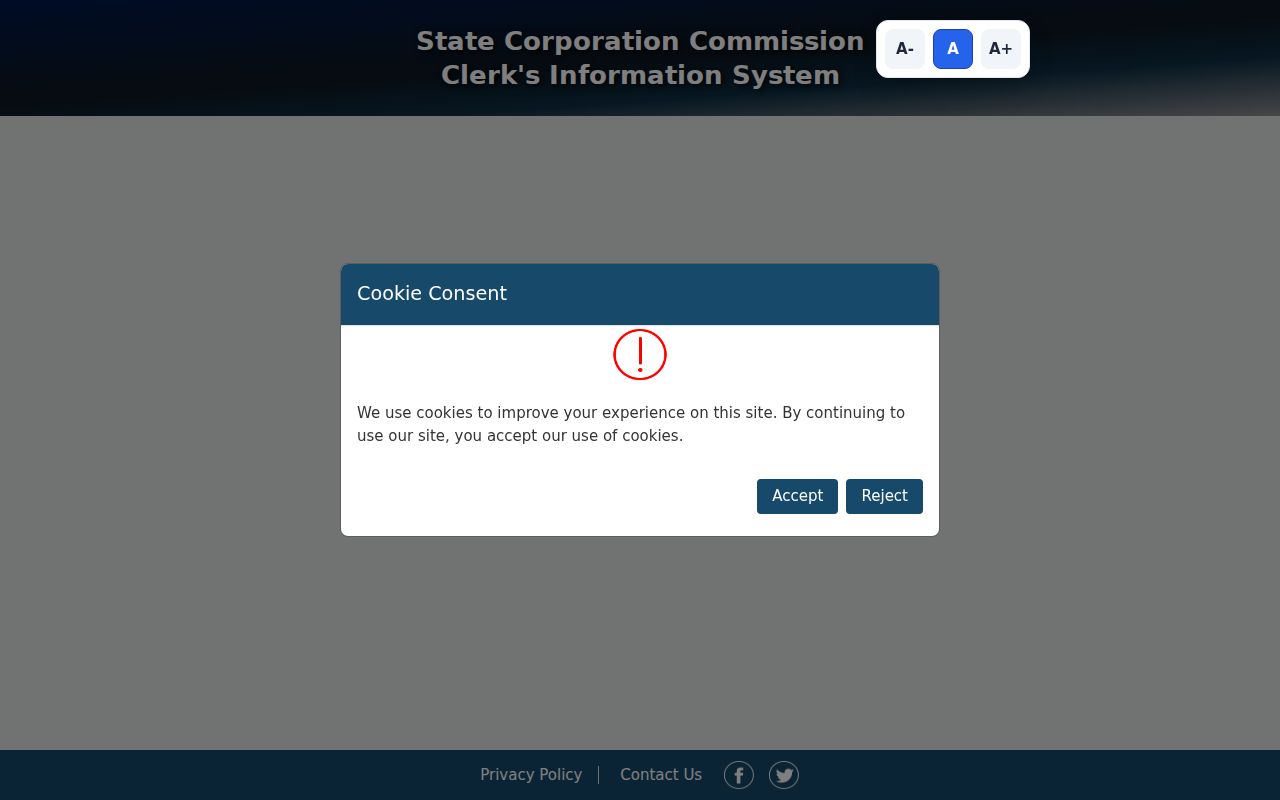
The SCC result adds an entity contact clue to the deed name. It does not replace the land record itself.
Harrisonburg City Estate Transfers
An ownership change can arrive without a normal purchase deed because an estate transferred it. The Real Estate Office receives deeds, deeds of correction, lists of heirs, wills, and other Clerk's Office records when it processes transfers. Search the owner as both grantor and grantee. Then look for an executor or administrator deed. It could also be an heir list, a court order, or a correction instrument. Open the probate file at the Circuit Court Clerk if the case index shows an estate.
Virginia vital records can help establish dates. Certified copies carry eligibility, identification, and fee rules. Birth records become public after 100 years; death, marriage, and divorce records after 25. The VDH guidance explains the coverage and access rules.
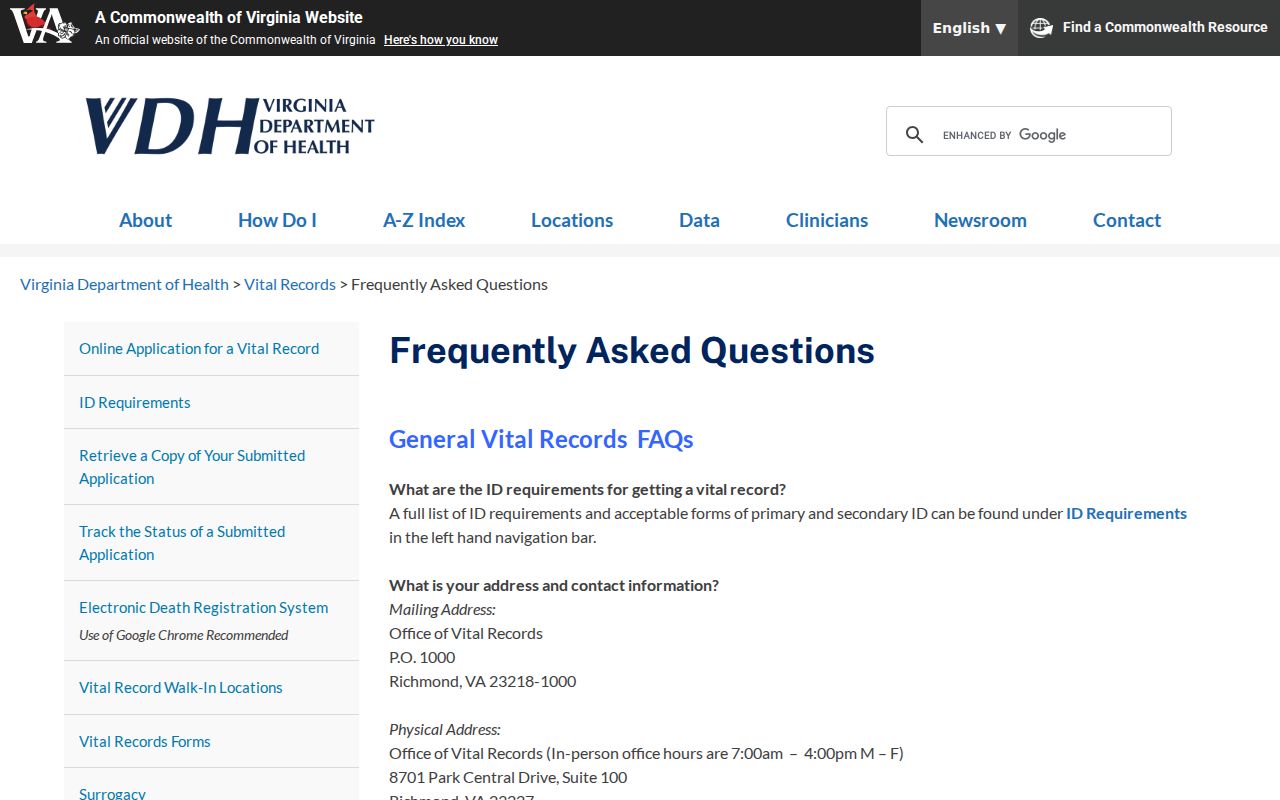
Treat vital records as a date clue only, then confirm the transfer in probate or land instruments.
Harrisonburg City Owner Record Sources
Harrisonburg City offers three primary public clues for an ownership question. The tax roll is refreshed monthly. It names the current owner of record. SRA indexes recorded parties and instruments, though a remote image may be restricted. GIS places the parcel on a map. The City notes the map is not a legal description. The grantee is sometimes an entity. In that case, the SCC can clarify an LLC's registered agent or principal office.
| Source | Owner Info It Gives | Access |
|---|---|---|
| Vision assessment roll | Owner field, mailing and situs addresses, parcel details. | Public system, updated monthly. |
| SRA/COVERS | Recorded grantor, grantee, type, date, and reference. | Index may be free; images depend on clerk authorization. |
| Virginia SCC | Entity status, registered agent, and principal-office clues. | Official state business search. |
| City GIS | Parcel location and map context. | Free reference viewer; not title evidence. |
An owner field is not a list of occupants. The mailing address can belong to an owner, a company, a trustee, or a representative, and it may sit outside Harrisonburg. A current owner search should end at confirming the recorded interest rather than inferring who lives at the property.
Harrisonburg City Same-Name Checks
Names alone can join the wrong record. Keep the legal description, parcel number, situs address, recording date, and instrument reference beside every candidate owner. Search a surname with the first name, then the middle initial, then initials alone. Search the person and an LLC or trust as distinct parties. If a street name changed, use the subdivision and lot reference. That bridges the older deed to the current assessment card.
Near the city edge, confirm the locality in the Harrisonburg system first. Only then reach for Rockingham County historical books. A mail ZIP or a postal city name does not establish independent-city jurisdiction. County-era documents and present Harrisonburg assessment records can both be correct. They can both be correct for the same tract at different times.
Harrisonburg City Owner Privacy
Virginia treats property assessment information as public under Va. Code § 58.1-3122.2, though separate statutes permit confidential fields and redactions in certain records. A FOIA request works best when it names an existing record. It should also include the parcel, the date range, and the custodian. The City may charge reasonable actual costs for the search and for copies. Virginia's Address Confidentiality Program gives an eligible participant a substitute address for public-record use. But it does not erase every historic deed.
A tax-mailing field is not proof that someone lives at a parcel. Avoid treating it that way. Skip publishing extra personal details when you document a parcel. When a record you need is not online, file through the City's FOIA and records request page. You can also contact the office that holds the record.
Limits of a Harrisonburg Owner Search
A Harrisonburg City owner lookup has real limits. It can surface the assessment name and the recorded grantee. Yet it cannot settle every question about beneficial ownership, occupancy, or title. Trusts and companies can hold the deed. Fresh deeds may also lag behind a monthly roll refresh. Redactions remove some personal details. Address Confidentiality Program participants use a substitute address for public-record purposes.
Lawful use. Use Harrisonburg City owner records for property research, purchase due diligence, or civic questions. Do not use an address or owner name to stalk, threaten, harass, or harm anyone.